RDF 1.2 Visualization
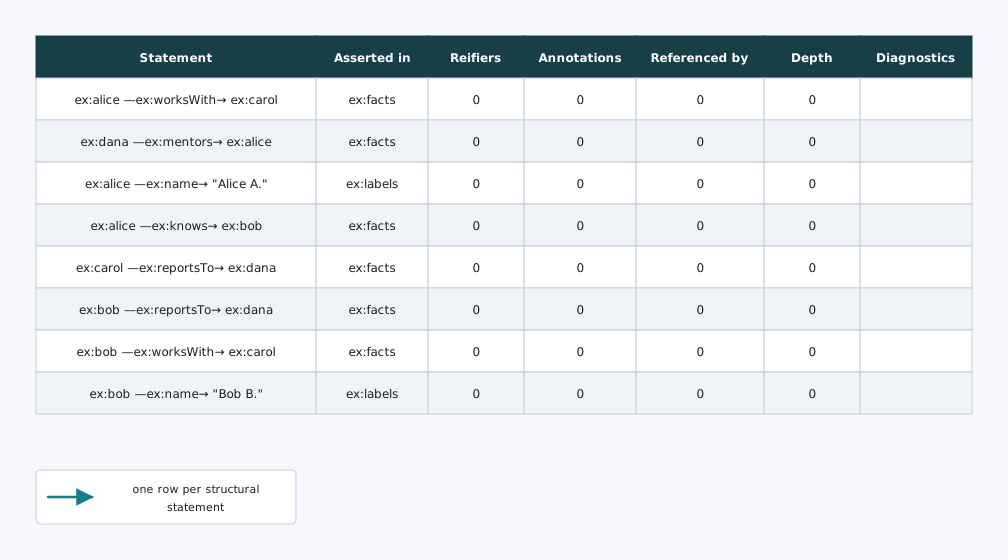
PurRDF projects RDF into a renderer-neutral statement model before producing a layout or SVG. The projection keeps structural triple terms, assertion occurrences, reifier identity, annotations, graph context, nesting, and RDF dialect diagnostics distinct. The SVG carries that model as embedded JSON metadata, so it is both a visual document and a lossless machine-readable export.
The examples below are generated directly by the Rust visualization surface. Line colour varies subtly within each semantic relation class to make dense routes easier to follow; line width, dash pattern, labels, and arrow grammar continue to carry the RDF meaning without relying on colour.
Ordinary shared resources
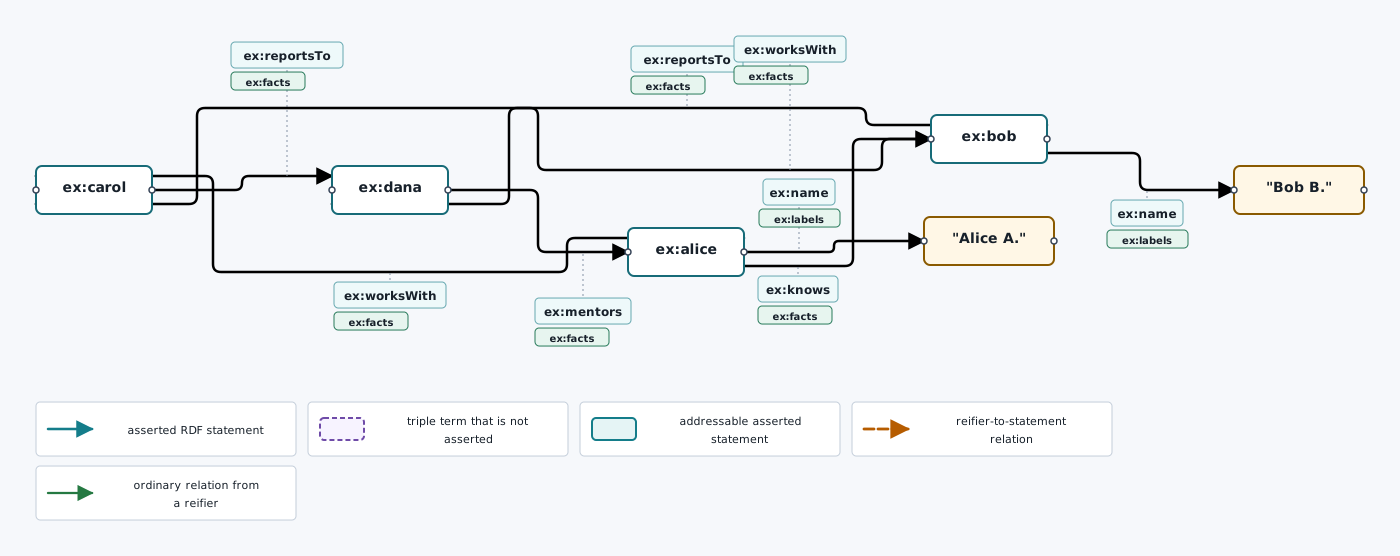
The compact view preserves the familiar RDF resource graph while separating routes that share nodes.
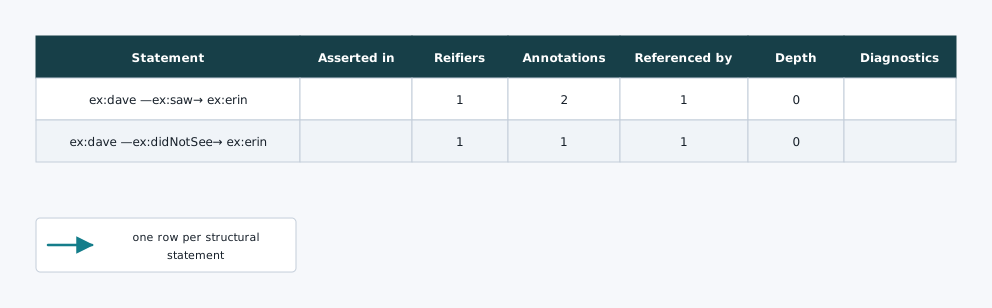
Asserted, reified, and annotated statements
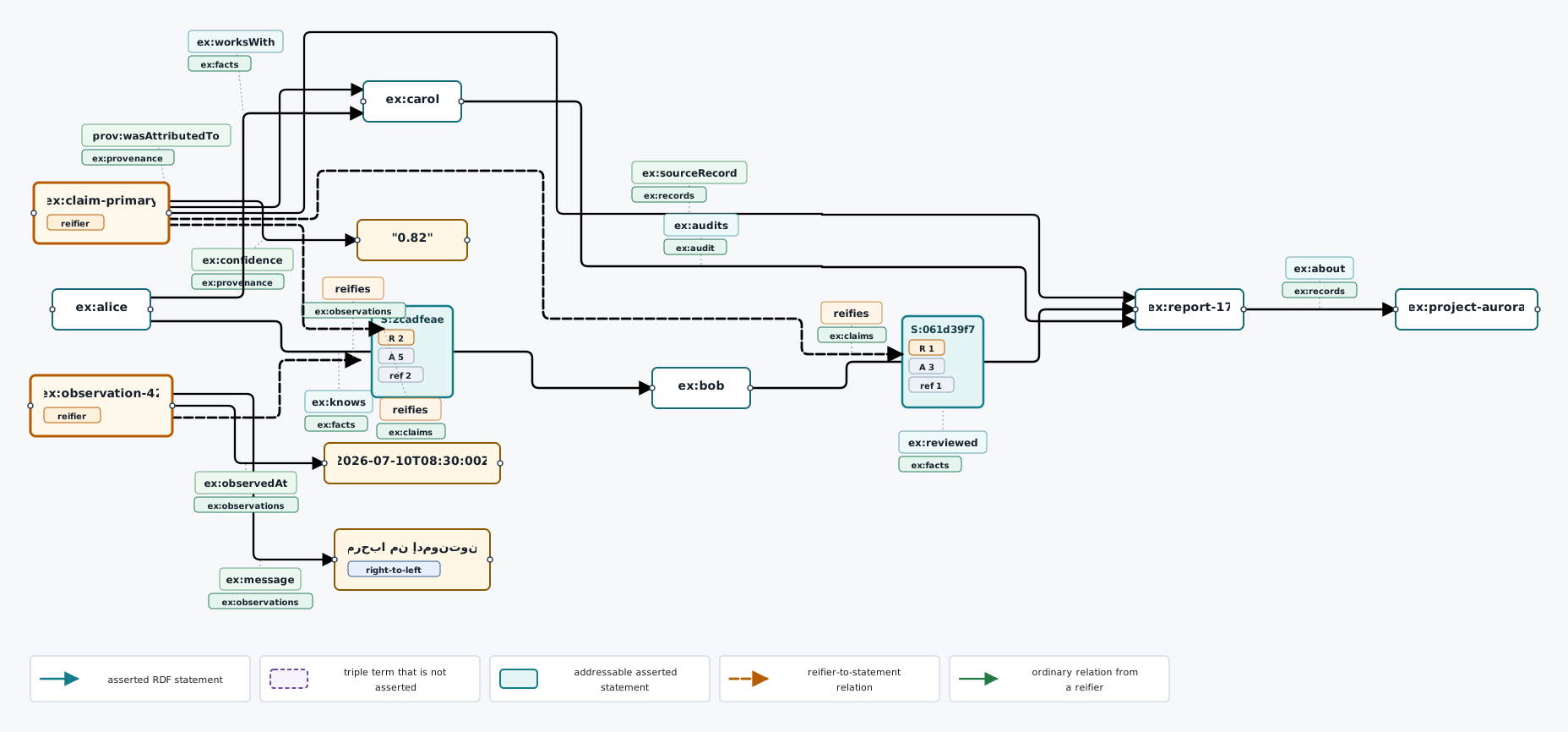
Solid arrows remain assertions. Addressable statement anchors connect those assertions to reifier resources, whose ordinary RDF properties carry provenance, confidence, timestamps, and directional language literals.
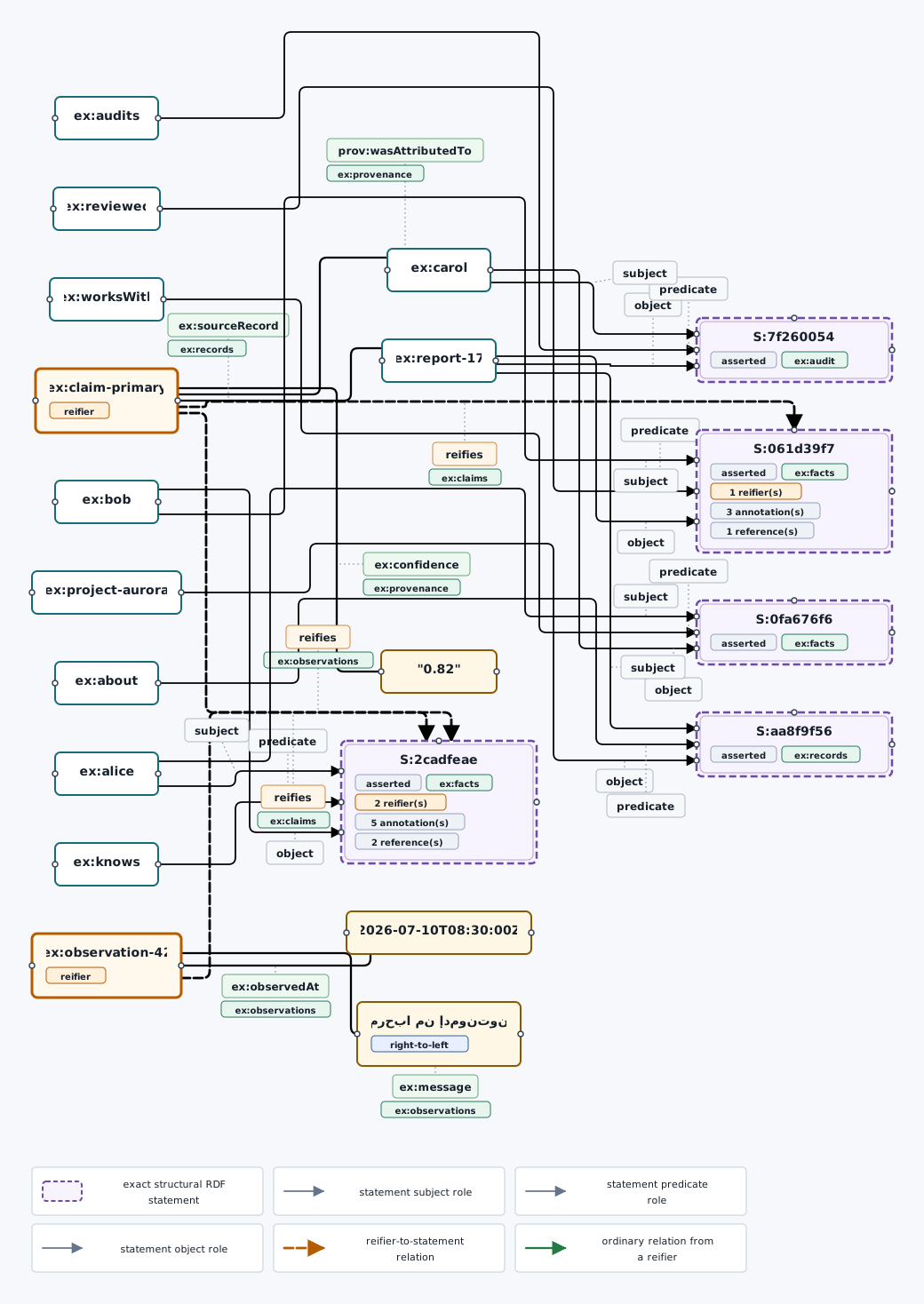
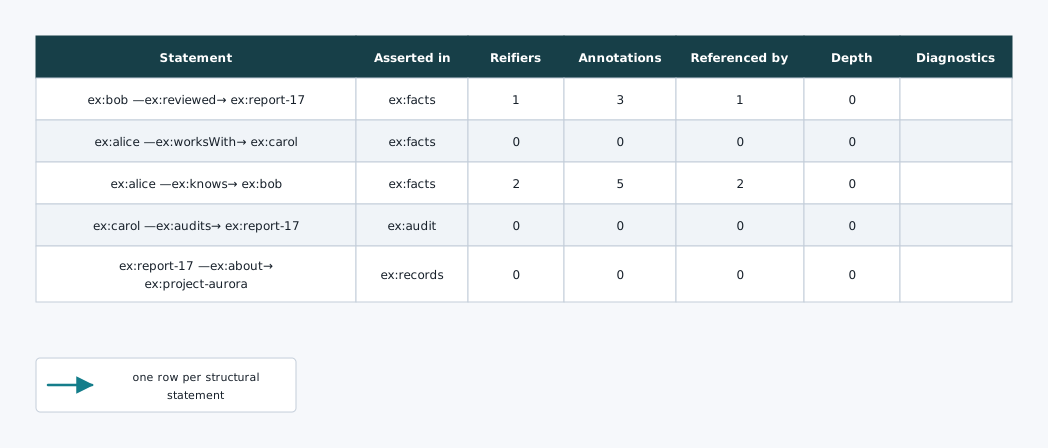
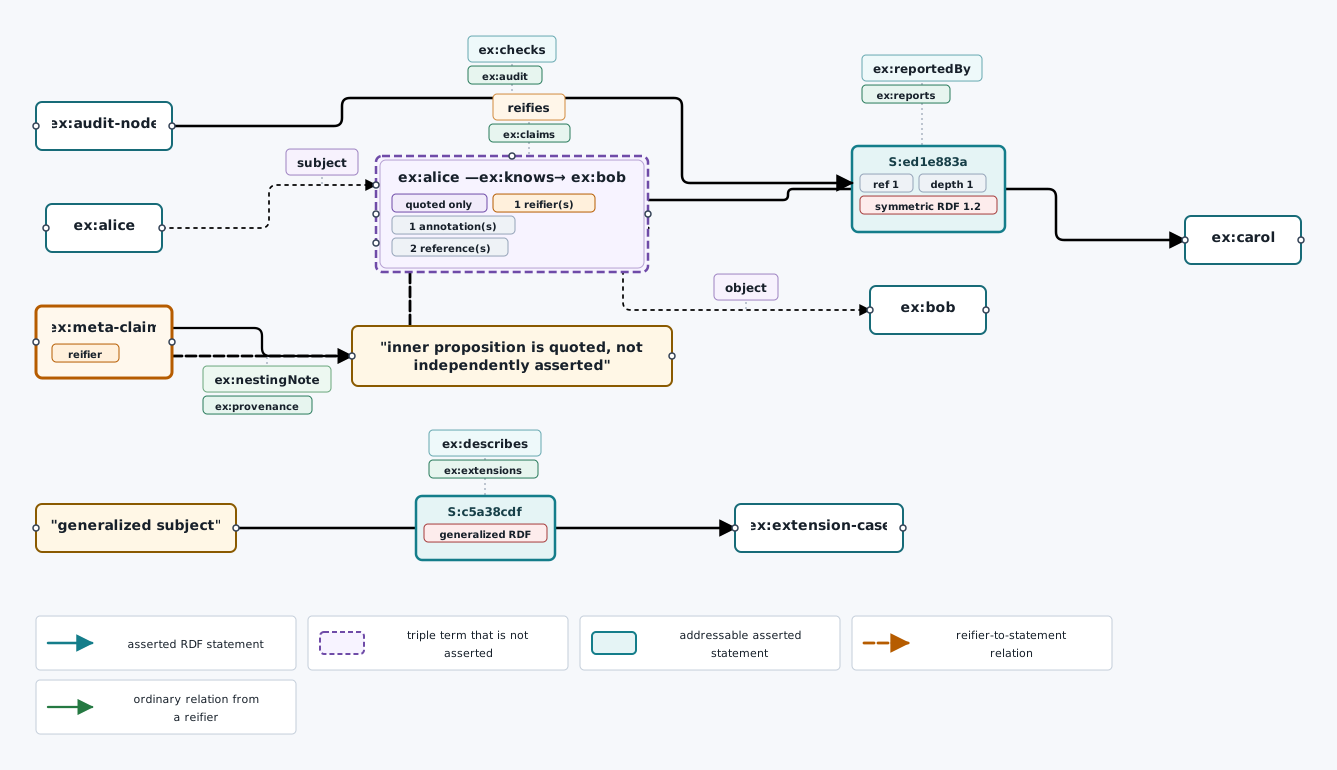
Quoted-only and nested triple terms
A quoted-only triple is a bounded statement glyph, never a solid assertion arrow. Reifier resources stay distinct from the structural statement they reify.
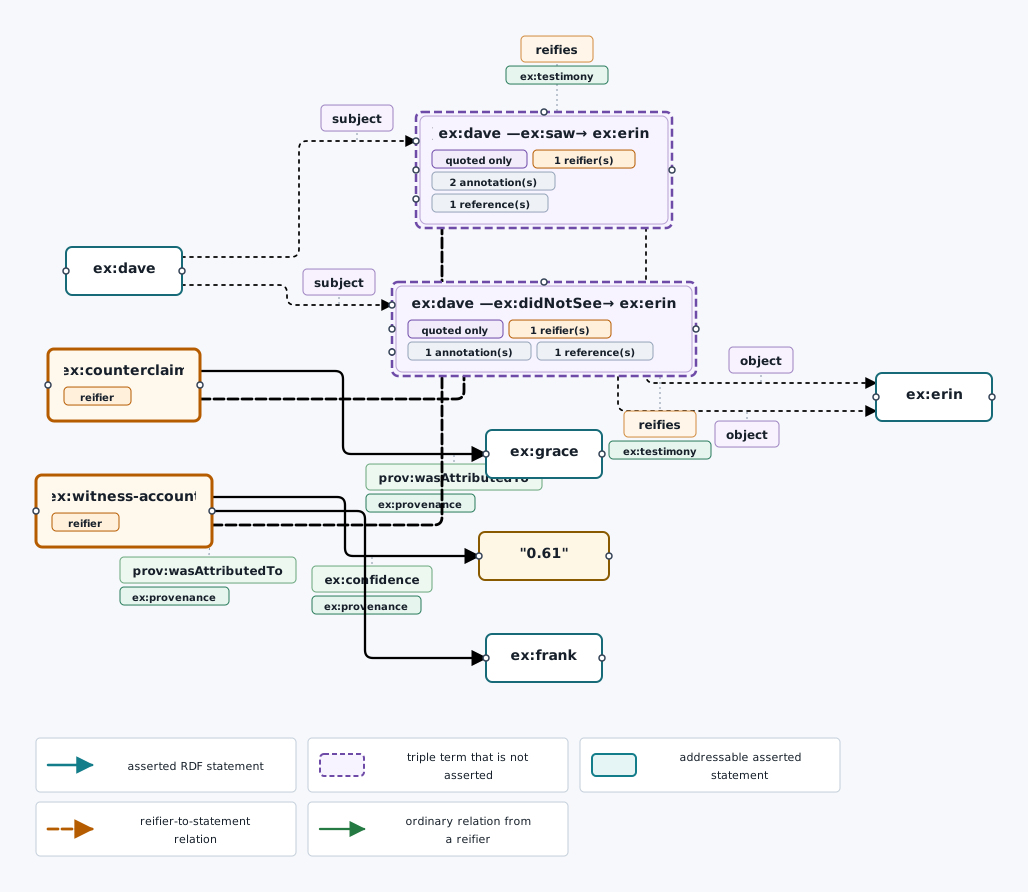
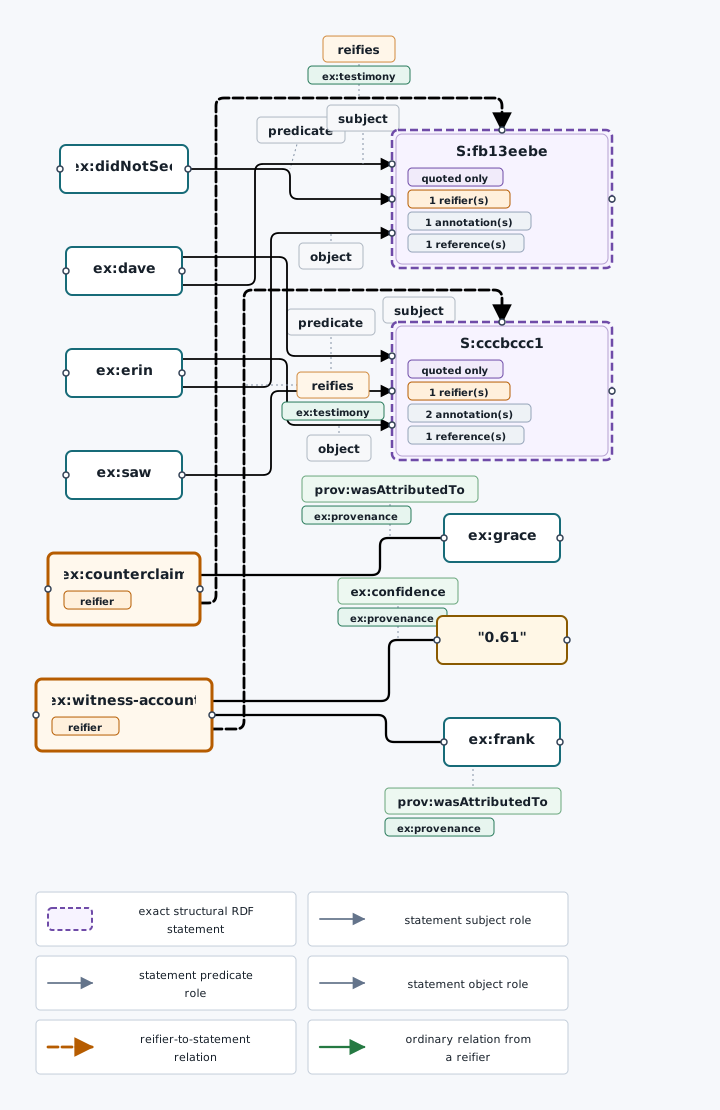
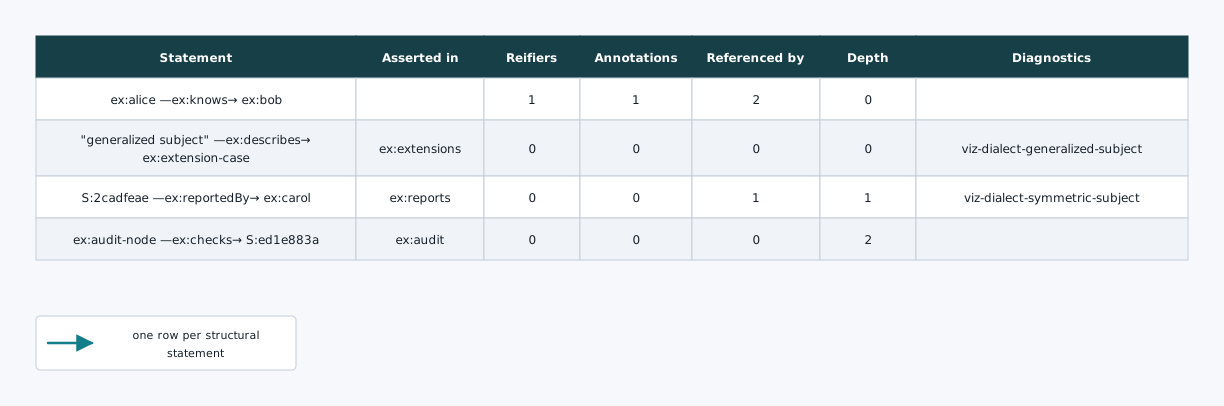
Nested triple terms retain recursive statement identity. Dialect badges make symmetric or generalized RDF positions explicit rather than silently rendering them as ordinary RDF 1.2.
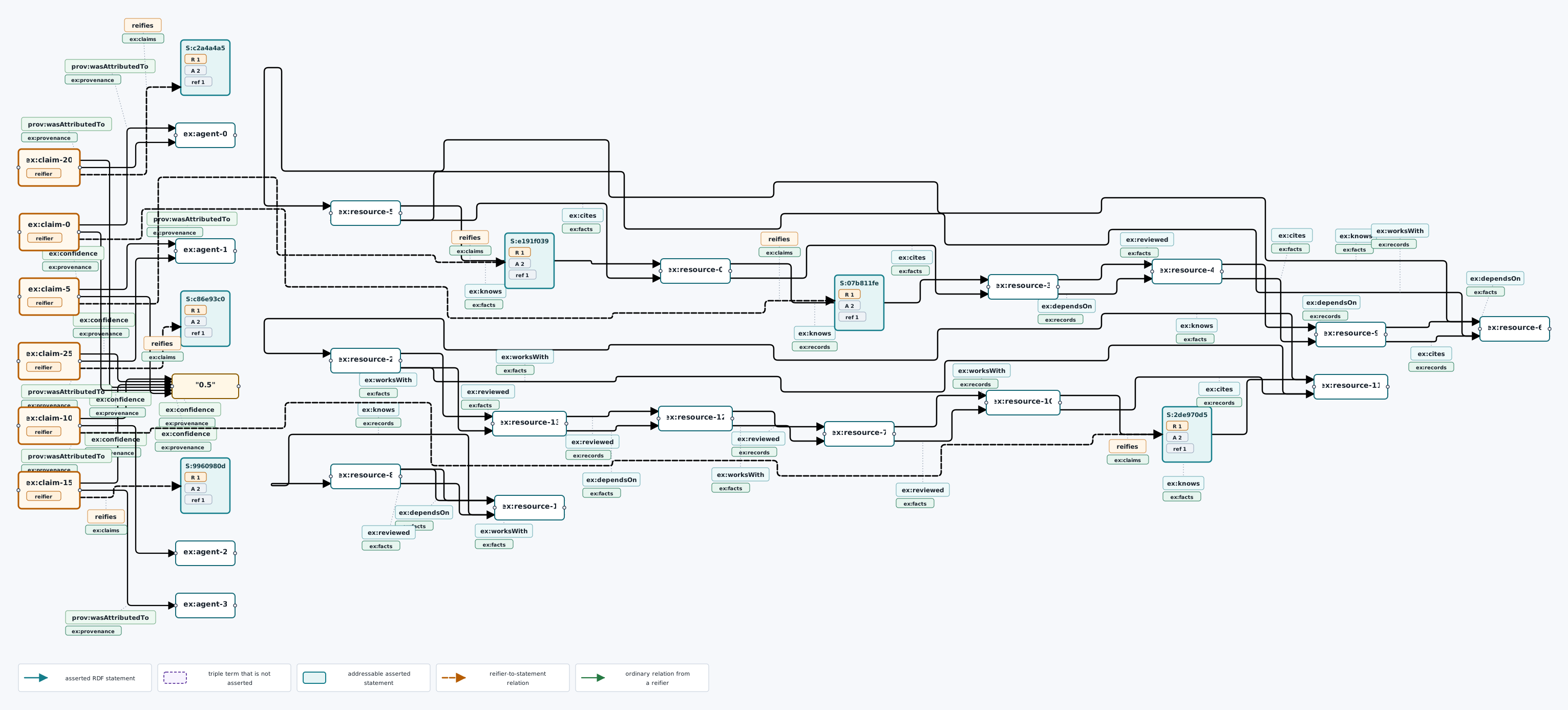
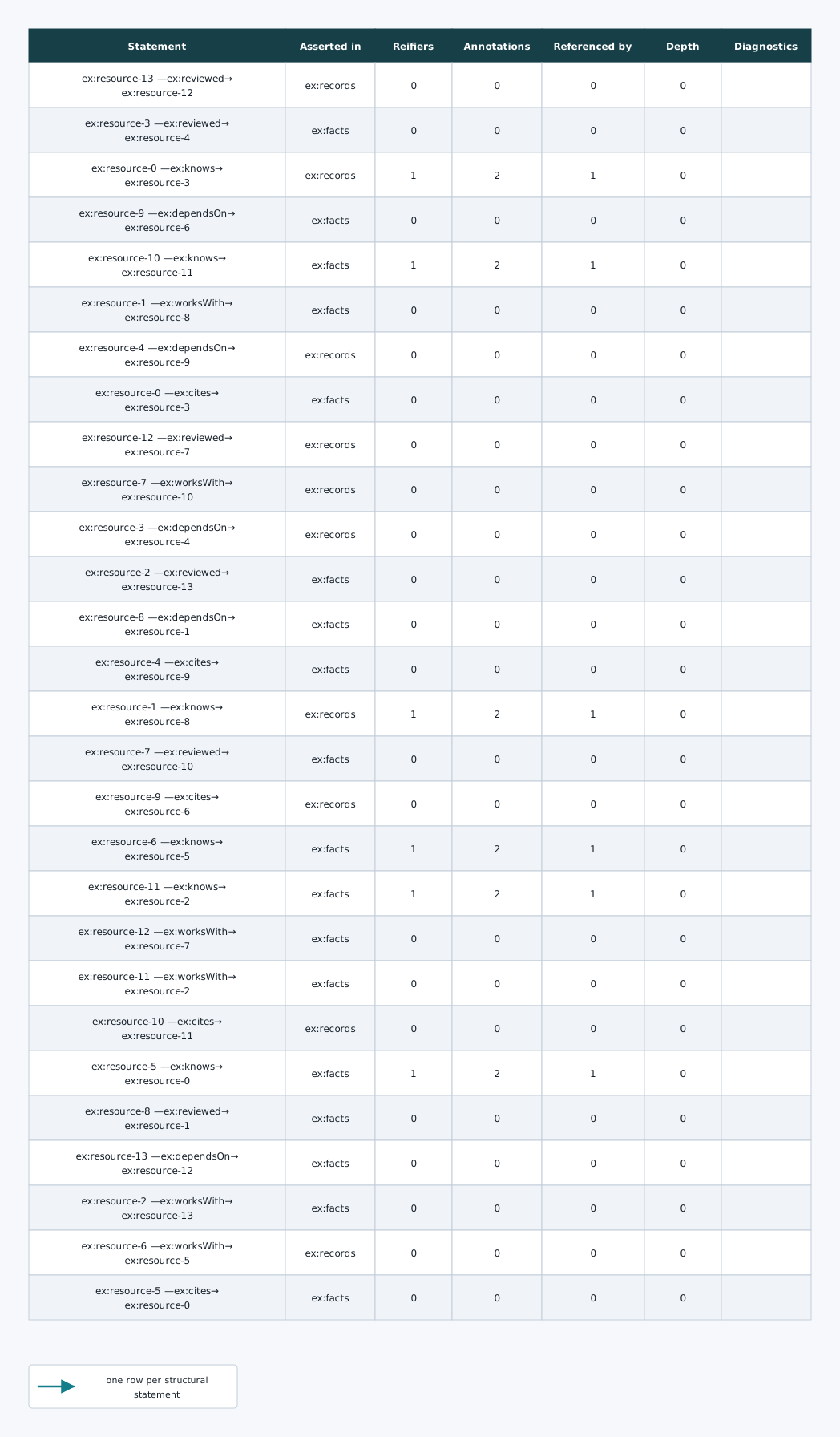
Dense connected data
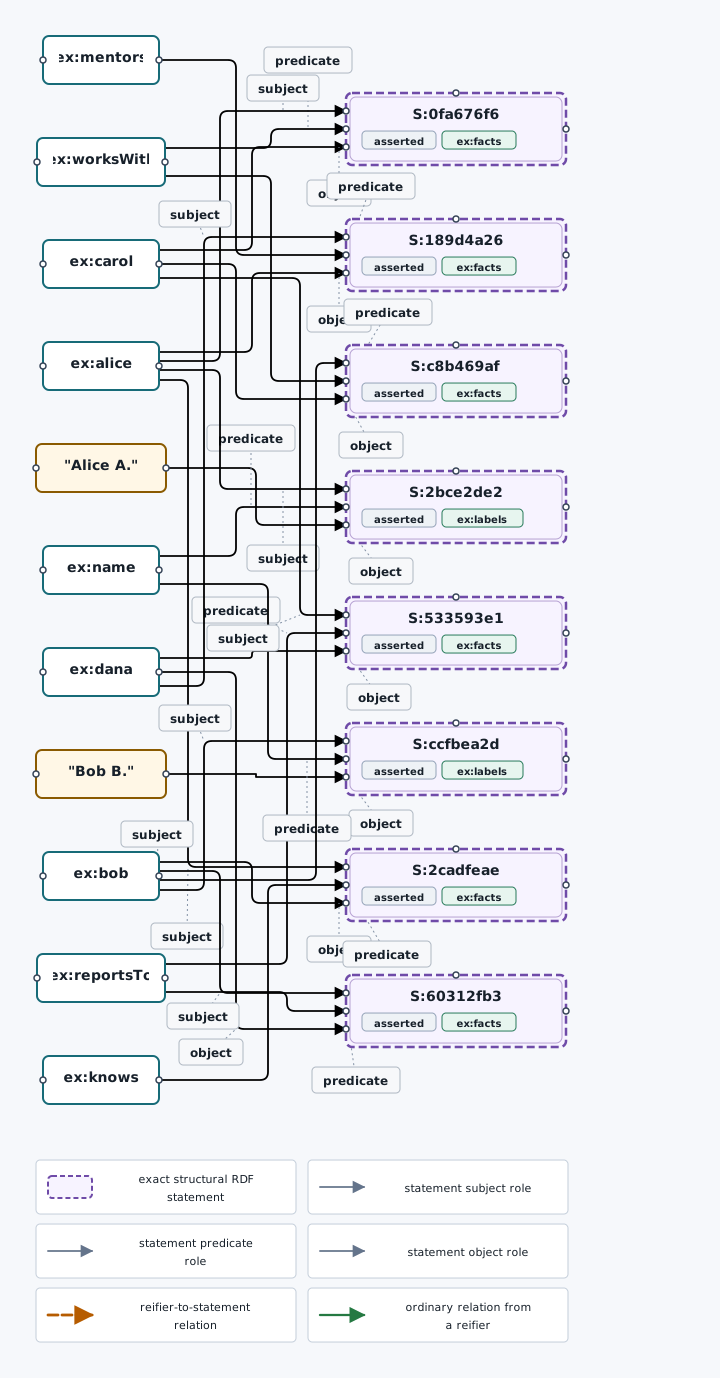
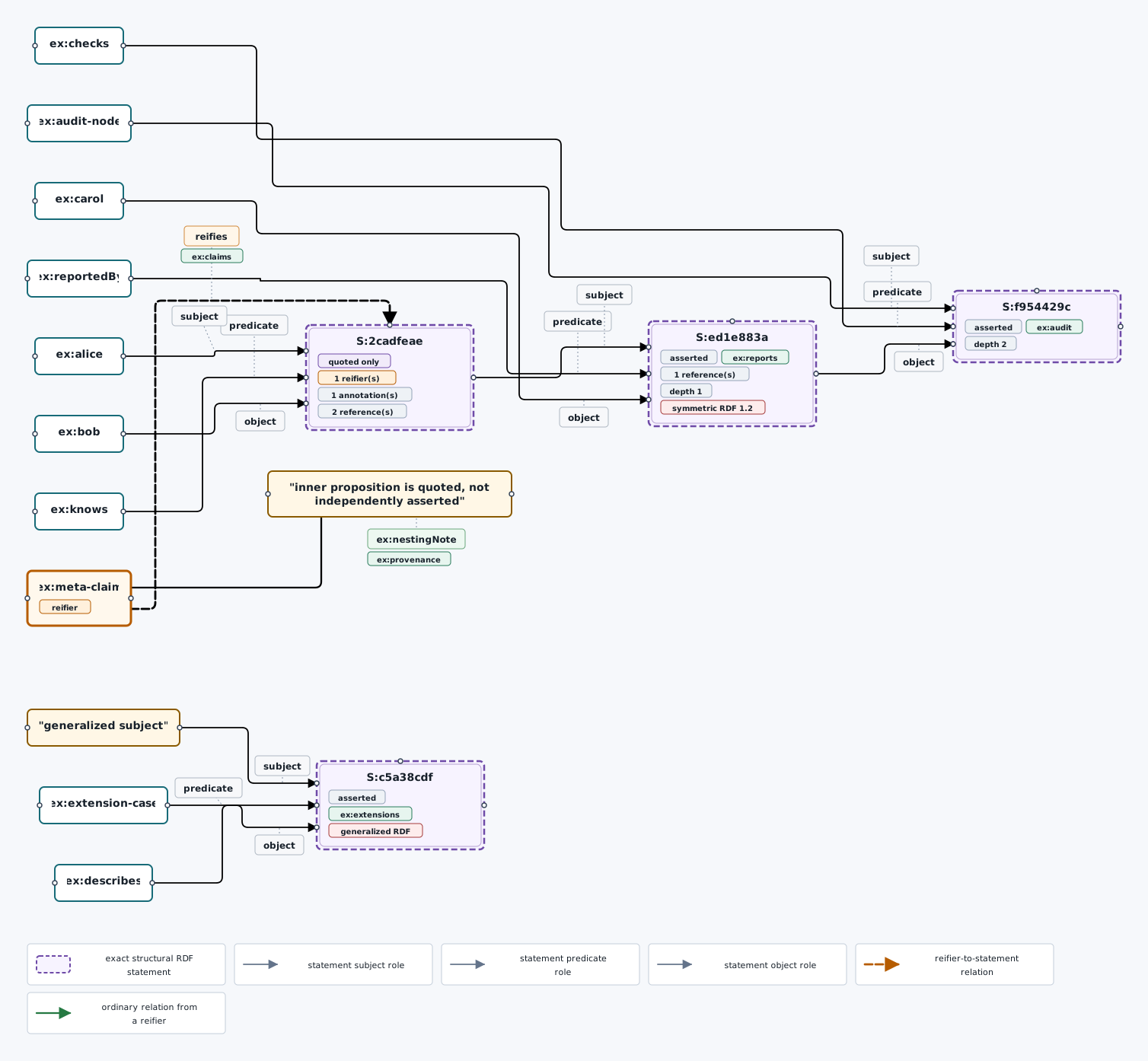
The exact view uses separated vertical channels and rounded orthogonal turns so individual subject, predicate, object, reification, and annotation routes remain traceable through a dense connected dataset.

Regenerating the samples
The committed SVGs are projections of the Rust fixtures, not hand-edited book artwork:
make book-samples
make book
make check regenerates the same artifacts in a temporary directory and rejects
any drift between the renderer and the book.